Contributi originali Traduzioni Edizioni speciali Recensioni Interviste Saggi fotografici

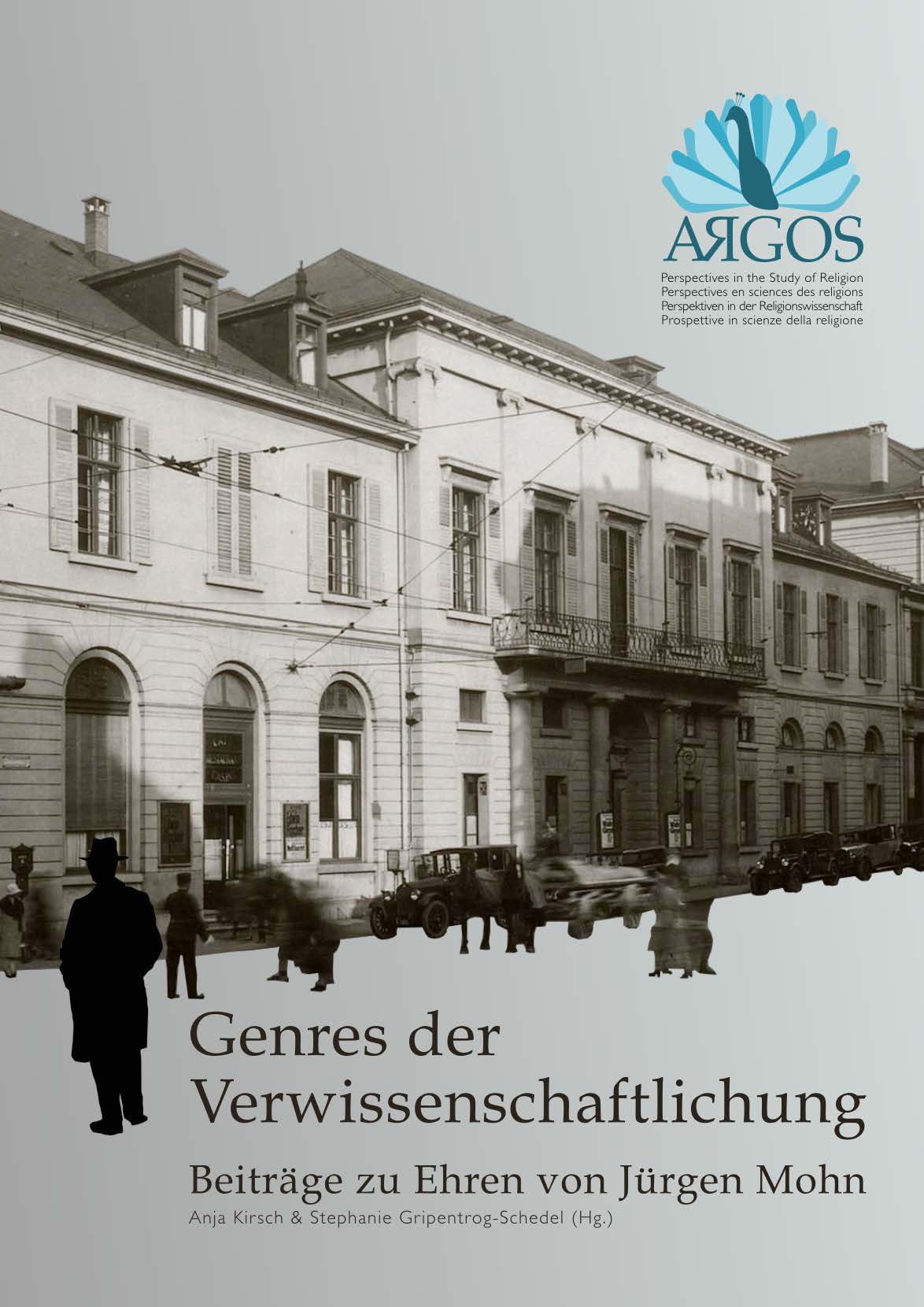
In the 1830s and 1840s, protest movements across Europe emerged, whose political demands were closely linked to the pursuit of a just future society. From a history of religion perspective, this discourse on social justice and equitable society becomes tangible in the foundational discussions of the early socialist movement(s) arising in therevolutionary climate of the time. Their programmatic documents address both the foundation of future society and the essence of the new movement. The debates were held in the catechetical format. This article examines the communication circuits of over 40 catechisms from France, the UK, the States of the German Confederation, and the Swiss Confederation within their socio- and cultural-historical contexts. Using police interrogation protocols, congress transcripts and circulars, correspondences, personal letters, and memoirs of participants, it traces how the question of religion moved to center stage in early socialist identity debates. In the course of this debate, the relationship between Christianity and communism began to take shape as a relationship between religion and politics, without sharp boundaries being established. The analysis highlights how everyday distinctions, perceived ambiguities in the catechetical format, and a rising skepticism toward the genre prefigure the modern differentiation of religion and politics. Building on religious studies research on secularity, this article develops an approach to pre-conceptual distinctions, investigating the epistemological prerequisites for explicit conceptual boundary-drawing practices.

Questo lavoro è fornito con la licenza Creative Commons Attribuzione - Non commerciale - Condividi allo stesso modo 4.0 Internazionale.
Copyright (c) 2025 Anja Kirsch